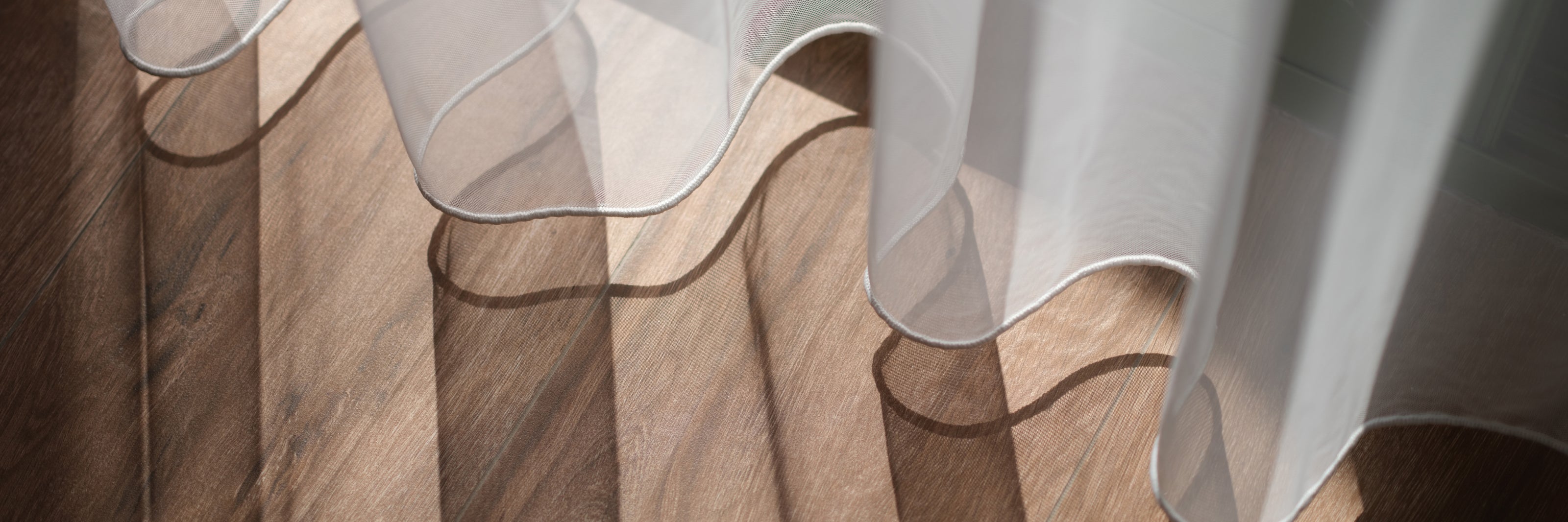
Difference Between a Curtain Rod and a Drapery Rod

Choosing the right hardware for your window treatments is just as important as selecting the curtains themselves. Many homeowners assume curtain rods and drapery rods are the same, but they serve different purposes and are designed for different types of fabrics, window sizes, and interior styles.
Understanding the difference helps you avoid common installation issues, improves curtain performance, and ensures your windows look balanced and well-finished.
Curtain Rod vs Drapery Rod: What’s the Real Difference
The main difference between a curtain rod and a drapery rod comes down to fabric weight, structural strength, and visual impact.
A curtain rod is designed for lightweight curtains and everyday use.
A drapery rod is built to support heavier, lined, or layered drapes and provides a more substantial, premium look.
This distinction affects how the curtains hang, how smoothly they open and close, and how long the hardware lasts.
Quick Comparison Overview
|
Feature |
Curtain Rod |
Drapery Rod |
|---|---|---|
|
Fabric weight |
Light to medium |
Medium to heavy |
|
Rod thickness |
Slim |
Thick and reinforced |
|
Load capacity |
Limited |
High |
|
Visual impact |
Minimal |
Statement piece |
|
Best use |
Casual spaces |
Formal or large rooms |
What Is a Curtain Rod?
A curtain rod is a lightweight rod used to hang standard curtains. It is primarily designed for decorative and functional purposes where fabric weight is minimal.
Typical Uses of Curtain Rods
Curtain rods work best for:
-
Sheer curtains
-
Light cotton or linen panels
-
Semi-transparent window coverings
They are commonly used where ease of installation and a clean look are more important than heavy load support.
Design and Construction
Curtain rods usually have:
-
A smaller diameter
-
Decorative finials
-
Basic wall brackets
They focus more on appearance than structural strength.
Where Curtain Rods Work Best
Curtain rods are ideal for:
-
Bedrooms
-
Kitchens
-
Home offices
-
Small or medium windows
-
Rental properties
They suit spaces where curtains are opened and closed occasionally and do not require blackout or thermal lining.
What Is a Drapery Rod?
A drapery rod is a heavy-duty rod designed to support thick, lined, or layered drapes. It offers superior strength, stability, and a more refined finish.
Purpose of Drapery Rods
Drapery rods are built for:
-
Blackout drapes
-
Velvet or silk curtains
-
Thermal or interlined panels
-
Floor-to-ceiling drapery
They are engineered to handle weight without bending or sagging.
Design and Structural Features
Drapery rods typically include:
-
Larger rod diameter
-
Reinforced brackets
-
Closer bracket spacing
-
Compatibility with rings, gliders, or tracks
This ensures smooth curtain movement and long-term durability.
Where Drapery Rods Are Most Suitable?
Drapery rods are best for:
-
Living rooms
-
Dining rooms
-
Master bedrooms
-
Large or wide windows
-
High ceilings
They are commonly chosen for luxury interiors and statement window treatments.
Functional Differences That Matter in Everyday Use
Weight Support and Durability
Curtain rods can struggle under the weight of heavy fabrics. Over time, this leads to bending, loose brackets, or uneven curtain hang.
Drapery rods are designed to carry weight consistently, making them more reliable for long-term use.
Curtain Movement and Ease of Use
Light curtains slide easily on curtain rods.
Heavy drapes require stronger rods and proper hardware to move smoothly without strain.
Drapery rods often work with curtain rings or tracks that improve daily usability.
Installation Requirements
Curtain rods usually require basic wall anchoring.
Drapery rods may need:
-
Wall reinforcement
-
More brackets
-
Precise alignment
This ensures safety and prevents damage.
Visual and Design Differences
Impact on Window Appearance
Curtain rods blend into the background and keep the focus on the fabric.
Drapery rods add visual weight and frame the window, making them part of the overall interior design.
Matching Rods with Interior Styles
Curtain rods suit:
-
Minimal interiors
-
Casual spaces
-
Contemporary apartments
Drapery rods suit:
-
Luxury interiors
-
Classic and modern villas
-
Statement living spaces
The right rod enhances the proportions of the window and the room.
Curtain Rod or Drapery Rod: How to Choose the Right One
Choose a Curtain Rod If
-
Curtains are lightweight
-
Windows are small to medium
-
The look is simple and casual
-
Budget and easy installation matter
Choose a Drapery Rod If
-
Drapes are heavy or lined
-
Curtains run floor to ceiling
-
Windows are wide or tall
-
You want a premium, finished look
Choosing the correct rod improves both function and appearance.
Common Mistakes to Avoid
-
Using curtain rods for blackout or velvet drapes
-
Ignoring fabric weight during selection
-
Installing rods without proper wall support
-
Choosing style without considering strength
These mistakes often lead to early replacement and uneven curtain hanging.
A Practical Note for UAE Homes
In UAE homes, window treatments often serve both aesthetic and functional roles. Curtains are frequently used to block sunlight, reduce heat, and improve privacy.
Heavier fabrics are common, especially in living rooms and bedrooms. In such cases, drapery rods provide better performance, durability, and long-term value.
FAQs
Is a curtain rod strong enough for blackout curtains?
Usually no. Blackout curtains are heavy and require a drapery rod for proper support.
Can a drapery rod be used for light curtains?
Yes. Drapery rods can support light curtains, but may look visually heavier.
Do drapery rods last longer than curtain rods?
Yes. Drapery rods are built for durability and long-term use.
Which rod is better for floor-to-ceiling curtains
A drapery rod is the better choice due to strength and stability.
Is the higher cost of drapery rods worth it?
For heavy fabrics and large windows, the added durability and finish make them a worthwhile investment.
Conclusion
The difference between a curtain rod and a drapery rod lies in strength, purpose, and visual impact. Curtain rods work well for light, casual curtains, while drapery rods are essential for heavy fabrics and premium window treatments.
Choosing the right rod ensures smoother operation, better durability, and a more polished interior finish. When selected correctly, window hardware enhances both comfort and style.