Drapery vs Sheers: Which Window Treatment Is Right for Your Space

Choosing between drapery and sheer curtains is not just a design decision. It affects privacy, light control, comfort, and how a room feels throughout the day. Many homeowners compare fabrics by appearance alone, but the real difference lies in function, layering potential, and how each option performs in modern homes.
Understanding how drapery and sheers work helps you select window treatments that look refined and function properly in everyday living spaces
Drapery vs Sheers: The Key Difference Explained
The primary difference between drapery and sheers is fabric weight and purpose.
Drapery is made from thicker, heavier fabric designed to control light, provide privacy, and enhance insulation.
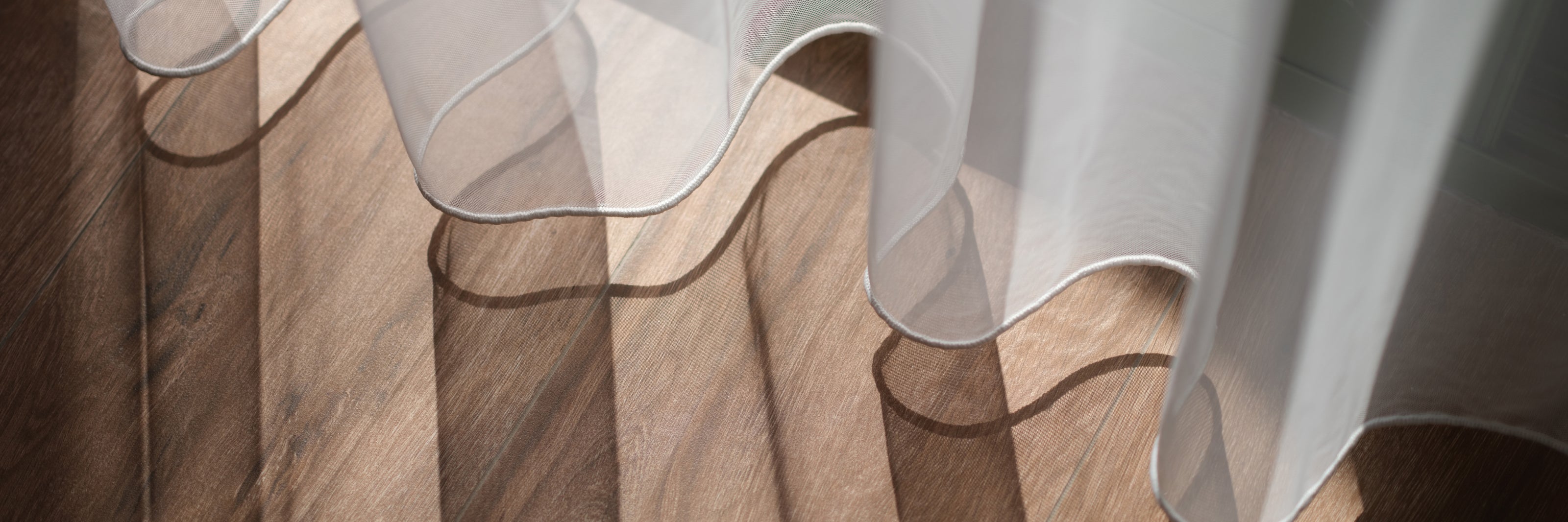
Sheers are lightweight, translucent fabrics that soften sunlight while maintaining openness and visual flow.
Both serve different roles and are often used together rather than as alternatives.
What Are Drapery Curtains?
Drapery refers to curtains made from medium to heavy fabrics, often lined or interlined for added functionality.
Purpose of Drapery
Drapery is designed to:
-
Block or filter light
-
Improve privacy
-
Reduce heat and glare
-
Add structure and elegance
It is commonly used where comfort, control, and visual depth matter.
Common Drapery Fabrics
Typical drapery materials include:
-
Velvet
-
Silk blends
-
Linen with lining
-
Blackout and thermal fabrics
These fabrics hold shape well and create a more defined window presence.
Where Drapery Works Best
Drapery is ideal for:
-
Living rooms
-
Master bedrooms
-
Media rooms
-
Large or floor-to-ceiling windows
It suits spaces where light control and privacy are priorities.
What Are Sheer Curtains?
Sheer curtains are made from lightweight, semi-transparent fabrics that allow natural light to pass through while softening its intensity.
Purpose of Sheers
Sheers are used to:
-
Diffuse sunlight
-
Maintain openness
-
Add softness to interiors
-
Provide minimal daytime privacy
They are decorative and functional, without blocking views.
Common Sheer Fabrics
Sheer curtains are usually made from:
-
Voile
-
Organza
-
Chiffon
-
Lightweight polyester blends
These fabrics create a light and airy look.
Where Sheers Work Best
Sheers are well suited for:
-
Living rooms
-
Dining areas
-
Bedrooms with layered curtains
-
Spaces that need daylight without glare
They work especially well in bright interiors.
Functional Differences That Matter
Light Control
Drapery provides strong light control, especially when lined or blackout fabric is used.
Sheers reduce harsh sunlight but do not block it completely.
Privacy Levels
Drapery offers full privacy when closed.
Sheers provide daytime privacy while allowing visibility at night when interior lights are on.
Insulation and Comfort
Drapery helps with:
-
Heat reduction
-
Temperature balance
-
Sound absorption
Sheers offer little insulation but improve visual comfort.
Design and Aesthetic Impact
Visual Weight and Structure
Drapery adds depth, formality, and structure to a room.
Sheers add softness, movement, and an open feel.
How They Affect Room Size and Height
Floor-length drapery enhances ceiling height and frames windows.
Sheers create continuity and make spaces feel larger and brighter.
Layering Drapery and Sheers Together
In many interiors, drapery and sheers are used together to achieve both style and functionality.
Why Layering Works
Layering allows:
-
Daytime light control with sheers
-
Nighttime privacy with drapery
-
Flexible mood adjustment
This approach is common in well-designed living spaces.
How Layering Is Typically Done
-
Sheers are placed closer to the window
-
Drapery is installed as the outer layer
-
Both operate independently
This setup offers maximum versatility.
Drapery or Sheers: How to Choose the Right Option
Choose Drapery If
-
Privacy is essential
-
Light blocking is required
-
The space needs warmth and structure
-
Curtains will be used frequently
Choose Sheers If
-
Natural light is a priority
-
The space should feel open
-
Curtains are mainly decorative
-
You plan to layer with drapery
The right choice depends on how the room is used throughout the day.
Common Mistakes to Avoid
-
Using only sheers where privacy is required
-
Choosing heavy drapery for small, bright spaces
-
Ignoring fabric transparency at night
-
Not planning for layering during installation
Avoiding these mistakes improves long-term satisfaction.
A Practical Note for Modern Homes
In contemporary homes, especially those with large windows, combining sheers and drapery offers the best balance. Sheers maintain brightness during the day, while drapery provides comfort and privacy when needed.
This layered approach supports both design flexibility and everyday living needs.
FAQs
Can sheers provide privacy?
Sheers offer limited daytime privacy but do not block visibility at night.
Is drapery better than sheers?
Neither is better. They serve different purposes and are often used together.
Can drapery be used without sheers?
Yes, especially in bedrooms or spaces needing full light control.
Do sheers work with blackout curtains?
Yes. Sheers are commonly layered with blackout drapery.
Which option is better for large windows?
Layered sheers and drapery provide the most balanced solution.
Conclusion
The difference between drapery and sheers lies in their function, fabric weight, and impact on light and privacy. Drapery offers control, comfort, and structure, while sheers bring softness and openness.
Choosing the right option, or combining both, ensures your window treatments look refined and perform well in everyday use.