Wave Curtains Dubai: Why They're the Top Choice for Modern Dubai Homes

|
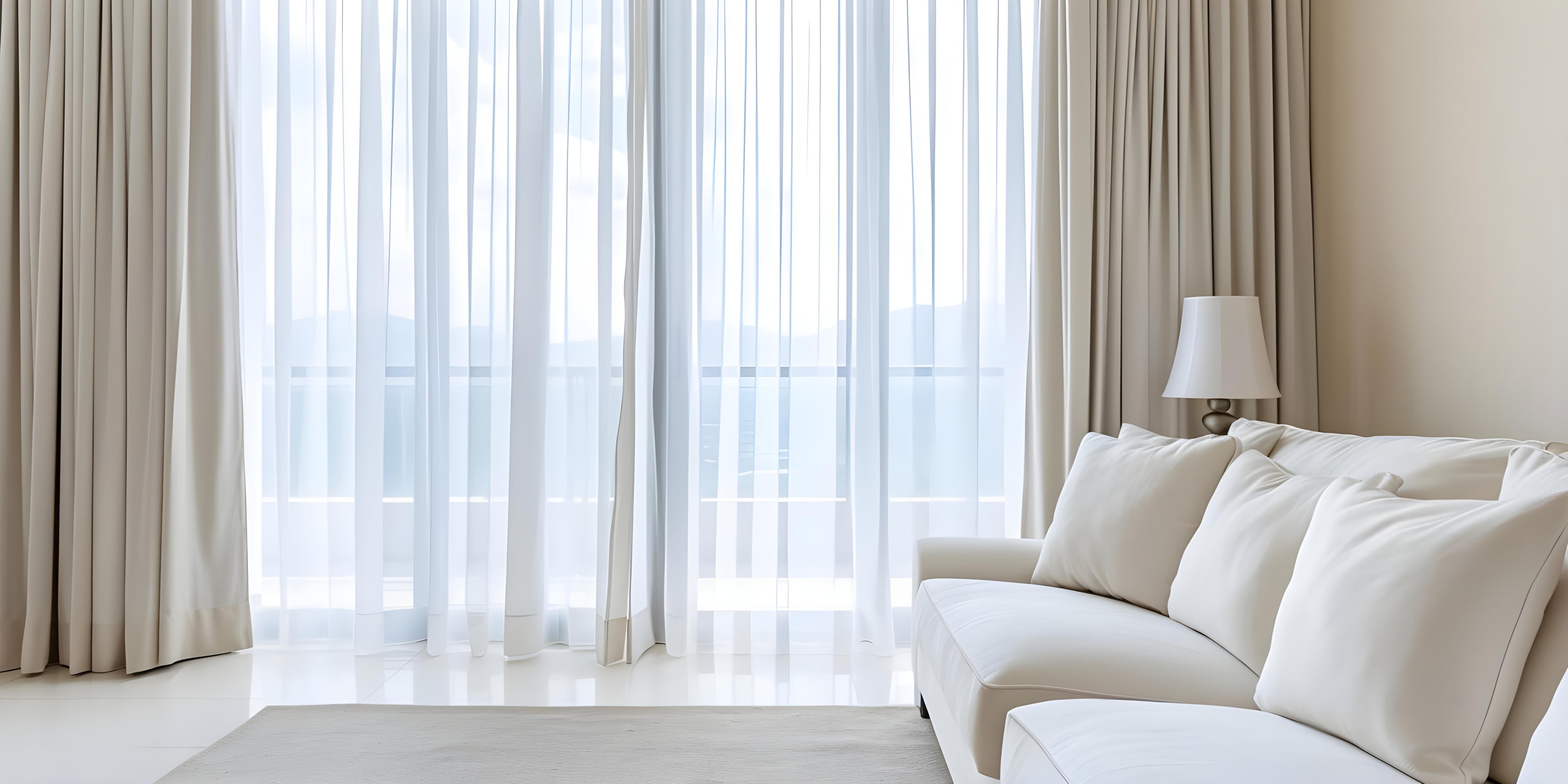
Wave curtains, also called S-fold, ripplefold, or wave heading curtains, are the most popular curtain style in modern Dubai homes because of their uniform flowing S-shaped folds, minimalist aesthetic, and perfect compatibility with Dubai's floor-to-ceiling windows. They require a specialist wave track system and a 2.0–2.5x fabric fullness ratio for correct wave formation. Professionally installed wave fold curtains in Dubai cost AED 180–800+ per metre, depending on fabric. Strala offers custom wave curtains across Dubai — made to measure, installed in 5–7 days. |
The Curtain Style Dominating Dubai Interiors Right Now
If you've been scrolling through Dubai interior design feeds lately — Instagram, Pinterest, architectural magazines — you've probably noticed one thing: the same elegant, flowing curtain style appearing in almost every modern home. Those evenly spaced, continuous folds that cascade from ceiling to floor without a single pleat out of place. That's wave curtains Dubai — and there's a very good reason why they've become the defining curtain style for contemporary Dubai living.
It's not just aesthetic. Dubai's architectural reality — the floor-to-ceiling glass walls, the panoramic Marina views, the high ceilings in Downtown apartments and Emirates Hills villas — creates a specific set of requirements that wave curtains address better than any other style. And as Dubai's interior design scene has matured toward cleaner, more minimalist aesthetics in 2024–2026, wave curtains have emerged as the default specification for design-forward homes.
This guide covers everything: what wave curtains actually are, how they work technically, why they suit Dubai's specific environment, how they compare to eyelet and pinch pleat alternatives, fabric choices, costs, and the installation requirements you need to know before ordering. Strala's team installs custom wave curtains in Dubai across all property types — and this is the guide we wish every customer read first.
Table of Contents
1. What Are Wave Curtains? The Clear Definition
2. Why Wave Curtains Are So Popular in Modern Dubai Homes
3. Wave Curtains vs Eyelet vs Pinch Pleat — Dubai Comparison
4. Are Wave Curtains Suitable for Dubai's Heat and Climate?
5. Best Fabrics for Wave Curtains in Dubai
6. Wave Curtain Track Systems — What You Need to Know
7. How Do Wave Curtains Work? Technical Specifications
8. Wave Curtains for Living Room, Bedroom & Villa Dubai
9. How Much Do Wave Curtains Cost in Dubai?
10. Wave Curtain Installation Dubai — What to Expect
11. Are Wave Curtains Worth It? Honest Pros and Cons
12. FAQ: Wave Curtains Dubai Questions Answered
1. What Are Wave Curtains? The Definition Dubai Buyers Need
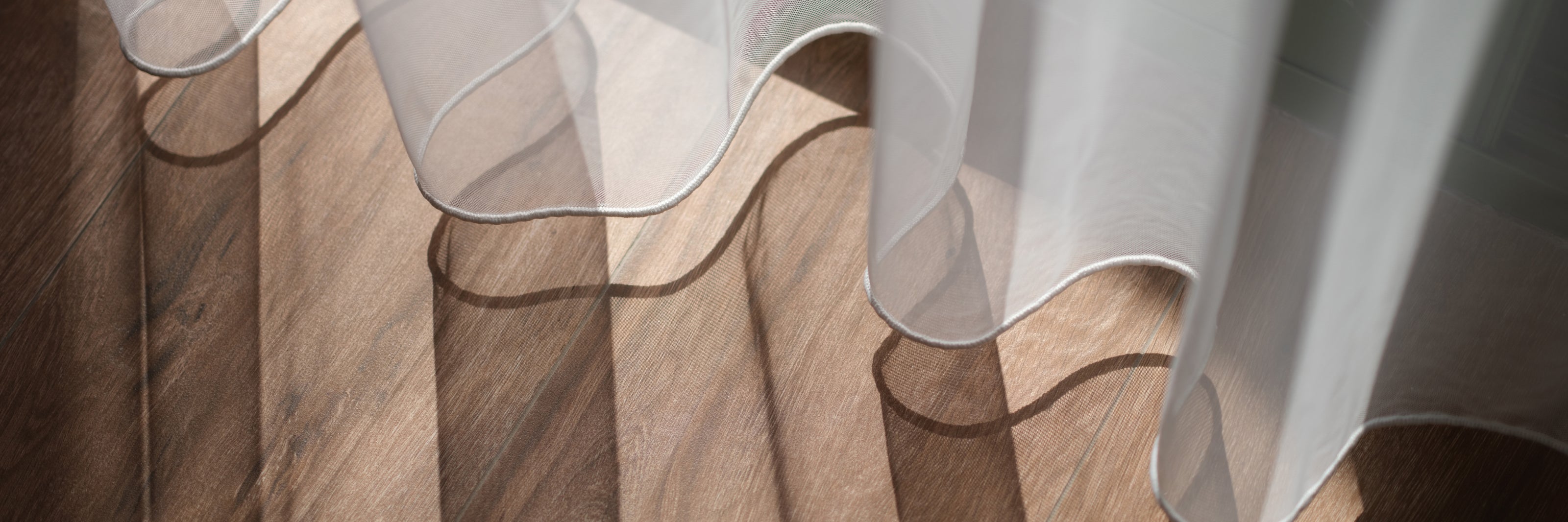
Wave curtains — also called S-fold curtains, ripplefold curtains, or wave heading curtains — are a window treatment system where the fabric hangs in perfectly uniform, continuous S-shaped folds from a specialist track. Unlike traditional pleated curtains, where folds are created by clips, rings, or hand-sewn pleats at the top of the fabric, wave curtains create their shape through a wave track system with precisely spaced gliders that force the fabric into consistent waves as it hangs.
The result is a curtain that looks the same whether it's fully open, fully closed, or anywhere in between — always that same even, rippling wave pattern that's become the visual signature of modern Dubai interior design.
|
Wave curtains (also called S-fold or ripplefold curtains) are a modern, minimalist window treatment featuring consistent, flowing "S" shape folds created by a specialised track and glider system. The gliders are pre-set at fixed intervals — typically 60–80mm apart — which forces the fabric to fold in uniform waves regardless of whether the curtain is open or closed. They are installed using ceiling-mounted curtain tracks in Dubai and require 2.0–2.5x fabric fullness for optimal wave formation. |
2. Why Wave Curtains Are Popular in Modern Dubai Homes — 7 Real Reasons
Wave curtains for living room Dubai and throughout the home have become the dominant style because of a very specific alignment between the product's characteristics and Dubai's architectural and lifestyle reality:
13. Perfect for floor-to-ceiling glass: Floor-to-ceiling curtains Dubai are the standard in modern developments — Downtown, Marina, JVC, Arabian Ranches. The continuous wave fold works beautifully across full-height windows where traditional pleated curtains look heavy and dated. Wave curtains make large glass walls feel intentional and designed, not just covered
14. Minimal and contemporary aesthetic: Dubai's design scene has moved decisively toward clean, uncluttered interiors in 2024–2026. Wave curtains deliver minimalist curtains Dubai — no bulk, no visible hardware, no heavy pleats. Just a smooth, architectural flow of fabric from ceiling to floor
15. Consistent appearance open or closed: The wave fold is maintained whether the curtain is fully drawn or fully open. Other curtain styles look different when partially open — wave curtains always look finished and intentional, which matters in Dubai's design-forward interior culture
16. Space efficiency when open: The uniform stacking means wave curtains take up minimal wall space when opened — critical in Dubai apartments where maximizing natural light and views is a priority. The stack-back is neater and tighter than pinch pleat or eyelet alternatives
17. Works with motorization: Motorized curtains Dubai integration is seamless with wave track systems — the continuous glider mechanism is ideal for automated operation. Dubai's smart home culture makes this a significant advantage, and Strala's wave curtain systems are fully compatible with leading home automation platforms
18. Light and heat control versatility: From sheer wave curtains Dubai for soft diffused light to blackout wave curtains Dubai for bedrooms, the wave heading works across all opacity levels. You get the same contemporary look whether you're filtering Dubai's intense sunlight or blocking it completely
19. Suitable for high ceilings: Dubai villas and luxury apartments regularly feature 3–4 metre ceiling heights. Wave curtains on floor-to-ceiling tracks emphasize these heights beautifully — traditional curtains with visible rings and hardware look proportionally small by comparison
3. Wave Curtains vs Eyelet vs Pinch Pleat — The Dubai Comparison
The most common decision Dubai buyers face when choosing curtains: which heading style? Here's the complete comparison of Dubai's three most popular styles:
|
Factor |
Wave Curtains |
Eyelet Curtains |
Pinch Pleat Curtains |
|
Aesthetic style |
Uniform S-folds — minimalist, contemporary |
Circular rings — casual, relaxed |
Formal pinched folds — traditional, classic |
|
Best for Dubai style |
✅ Modern apartments, villas, minimalist interiors |
⚠️ Casual bedroom, children's rooms |
⚠️ Traditional or formal rooms |
|
Floor-to-ceiling suitability |
✅ Excellent — designed for full-height windows |
❌ Poor — rings visible at top |
✅ Good — but more formal look |
|
Motorization compatibility |
✅ Seamless — glider system ideal |
❌ Poor — rings don't work on wave track |
⚠️ Possible but complex |
|
Appearance when open |
✅ Consistent wave throughout |
⚠️ Bunched rings visible |
⚠️ Bunched pleats visible |
|
Fabric fullness required |
2.0–2.5x track width |
1.5–2.0x track width |
2.0–2.5x track width |
|
Dubai heat suitability |
✅ All fabrics available — sheer to blackout |
⚠️ Limited blackout options |
✅ Good — all fabrics |
|
Track requirement |
Specialist wave track only |
Standard rod |
Standard rod or track |
|
Price range (Dubai) |
AED 180–800+/metre |
AED 80–350/metre |
AED 120–500/metre |
|
Best for |
Contemporary, design-forward Dubai homes |
Budget, casual spaces |
Formal, traditional interiors |
4. Are Wave Curtains Suitable for Dubai's Heat and Climate?
Yes — and in many ways, wave curtains are better suited to Dubai's climate than traditional curtain styles. Here's why this is one of the most important questions wave curtains Dubai buyers should ask:
Solar Heat Gain — The Dubai Reality
Dubai's windows face peak solar irradiance of up to 1,000 W/m² in summer — one of the highest in the world. Heat resistant curtains Dubai specifications are about fabric choice, not heading style. Wave curtains can be made in any fabric — from sheer voiles that soften light while maintaining views, to thermal-lined fabrics that create a genuine insulating barrier against the intense heat. The wave fold actually provides a slight insulating air gap between fabric and glass that flat panel styles don't achieve.
Fabric Recommendations by Dubai Window Direction
• West-facing windows (worst heat in Dubai): Blackout wave curtains Dubai with thermal lining — blocks 95%+ of solar heat gain. Velvet or triple-weave blackout fabrics are the correct specification for west-facing bedrooms and living rooms
• East-facing (morning sun): Linen wave curtains Dubai or light thermal — filters morning light without blocking it completely. Natural linen in wave heading is one of Strala's most popular Dubai specifications
• North-facing (indirect light): Sheer wave curtains Dubai — maximizes diffused natural light while maintaining privacy. Sheer voile in wave heading creates a beautifully soft, luminous interior
• South-facing (consistent sun): Light filtering curtains Dubai with moderate blackout lining — balances light control with the view
UV Protection
Dubai's UV index regularly reaches 11–12 (extreme) in summer. Quality wave curtain fabrics rated for UAE conditions provide 95%+ UV protection — protecting flooring, furniture, and artwork from the fading that Dubai's sun causes in unprotected interiors. This is a practical ROI on quality curtain investment that's unique to the UAE market.
5. Best Fabrics for Wave Curtains in Dubai Homes
The wave heading works beautifully with almost any fabric — but some fabrics hang and fold better than others. Here's what Strala's installation experience in Dubai has shown:
|
Fabric |
Wave Quality |
Heat Control |
Dubai Best Use |
Price Range/Metre |
|
Belgian linen |
⭐⭐⭐⭐⭐ |
Good — light filtering |
Living rooms, studies, villas |
AED 350–700 |
|
Sheer voile |
⭐⭐⭐⭐⭐ |
Light diffusion only |
North-facing, layered looks |
AED 180–350 |
|
Velvet |
⭐⭐⭐⭐ |
Excellent — heavy insulation |
Bedrooms, media rooms |
AED 450–800+ |
|
Blackout polyester |
⭐⭐⭐⭐ |
Excellent — 99% block |
Bedrooms, west-facing windows |
AED 200–400 |
|
Soft cotton blend |
⭐⭐⭐⭐ |
Moderate |
Children's rooms, casual spaces |
AED 250–500 |
|
Dimout fabric |
⭐⭐⭐⭐⭐ |
Good — 70–85% light block |
Living rooms, dining rooms |
AED 220–450 |
|
Silk/satin blend |
⭐⭐⭐ |
Light filtering |
Luxury bedrooms, Dubai penthouses |
AED 500–900+ |
Strala's most popular wave curtain fabric in Dubai in 2025: Belgian linen in warm neutrals — particularly natural oat, warm grey, and soft white. The texture of linen complements Dubai's contemporary interior aesthetic, and the natural weight creates excellent wave formation without requiring additional lining. For curtains for villa Dubai properties where scale is larger, linen's natural texture also reads beautifully across wide floor-to-ceiling windows.
6. Wave Curtain Track Systems — What You Need to Know Before Ordering
This is the most technical — and most important — section of this guide. Wave track curtains don't work on standard curtain rods. They require a specialist wave track with pre-spaced glider positions that force the fabric into its characteristic fold pattern. Getting this wrong means flat, irregular fabric — not the crisp wave profile that makes this curtain style work.
How the Wave Track System Works
A wave track is an aluminium or PVC channel with continuous wave pleat gliders at fixed intervals — typically 60mm, 70mm, or 80mm spacing depending on the fabric weight and desired wave depth. Each glider has a small hook that attaches to the heading tape on the curtain. The even spacing of the gliders is what creates the consistent wave: the fabric is physically forced into the S-fold pattern by the geometry of the glider positions, not by any feature of the fabric or sewing.
Ceiling-Mounted vs Wall-Mounted Track
• Ceiling-mounted (recommended for Dubai): Ceiling-mounted curtain track Dubai installations run the track directly from the ceiling — creating a continuous, seamless fall from ceiling to floor with no visible gap between track and ceiling. This is the correct specification for Dubai's contemporary architectural style and maximizes the visual height of the room
• Wall-mounted track: Mounted on the wall above the window frame. Less visual impact but sometimes necessary where ceiling conditions don't allow direct mounting (concrete slab, services, etc.)
• Recessed track (premium specification): Track mounted inside a ceiling recess so the curtain appears to emerge from the ceiling itself. Used in Strala's premium villa installations — creates the most architecturally refined appearance of any curtain mounting method
Curtain Track vs Curtain Rod — The Key Difference
Curtain rod: Standard pole — works with eyelet, pencil pleat, tab top headings. Cannot create wave folds. Not suitable for wave curtains. Wave track: Specialist aluminium channel with calibrated glider spacing. The only system that creates and maintains wave folds. Required for all wave curtain installations. Strala supplies and installs the complete track system as part of every wave curtain project.
7. How Do Wave Curtains Work? Technical Specifications
Understanding the technical specifications helps you ask the right questions and evaluate whether your supplier knows what they're doing:
Fabric Fullness Ratio — The Critical Specification
Wave curtains require 2.0–2.5x fabric fullness — meaning for a 3-metre wide window, the fabric panel should be 6–7.5 metres wide before it's gathered onto the track. This fullness ratio is non-negotiable. Too little fabric (below 2x) and the waves will be flat and irregular. Too much fabric (above 2.5x) and the waves will be too tight, and the curtain will be heavy and difficult to operate. The correct fullness creates the consistent, deep S-folds that are the signature of quality wave curtain installation.
Glider Spacing — Wave Depth Control
• 60mm glider spacing: Tighter waves — more folds per metre, softer look. Better for sheer and lightweight fabrics
• 70mm glider spacing: Standard wave — the most common specification for Dubai homes. Works well with medium-weight fabrics, including linen and dimout
• 80mm glider spacing: Deeper, more pronounced waves — better for heavier fabrics, including blackout, velvet, and lined curtains. Creates a more dramatic, luxurious fold profile
How Many Waves Per Metre?
With 70mm glider spacing, you get approximately 14 waves per metre of track. With 60mm spacing: approximately 16–17 waves per metre. With 80mm spacing: approximately 12–13 waves per metre. This technical detail matters for fabric quantity calculation — always have your curtain supplier confirm the glider spacing before calculating fabric requirements.
8. Wave Curtains for Living Room, Bedroom, and Villa — Dubai Room Guide
Wave Curtains for Living Room Dubai
The living room is where wave curtains for the living room in Dubai have the most visual impact. Floor-to-ceiling wave curtains in linen or dimout fabric create the architectural backdrop that defines modern Dubai living room design. Strala's recommendation for Dubai living rooms: natural linen in warm neutral tones on ceiling-mounted track — this approach works across all major Dubai developments, from Marina apartments to villa living rooms in Dubai Hills Estate.
Bedroom Wave Curtains Dubai
Bedrooms in Dubai require genuine blackout capability — the intense morning sun and year-round bright conditions mean standard curtains create an unacceptably bright sleeping environment. Blackout wave curtains, Dubai, on a ceiling-mounted track deliver both the contemporary aesthetic and the sleep-quality function. Velvet wave curtains are Strala's most requested bedroom specification in luxury properties — the weight of velvet creates exceptional wave formation and provides thermal and acoustic benefits beyond the blackout function.
Wave Curtains for Dubai Villas
Curtains for villa Dubai properties have specific requirements: larger window widths (often 3–5 metres per panel), higher ceiling heights (3–4 metres standard), and higher exposure to Dubai's direct sunlight across multiple orientations. Strala's villa installations typically combine motorised wave track systems with thermal-lined linen or velvet — providing automated operation across wide window spans and genuine insulation against Dubai's peak heat load. Arabian Ranches, Palm Jumeirah, and Emirates Hills properties are regular installation locations for Strala's villa wave curtain systems.
9. How Much Do Wave Curtains Cost in Dubai?
How much do wave curtains cost in Dubai? — the most-searched question before purchase. Here's the honest, complete answer:
|
Fabric Type |
Price/Metre |
Standard Room (6m) |
Villa Window (12m) |
Includes |
|
Sheer voile |
AED 180–280 |
AED 1,080–1,680 |
AED 2,160–3,360 |
Track + install |
|
Dimout/blackout |
AED 220–400 |
AED 1,320–2,400 |
AED 2,640–4,800 |
Track + install |
|
Linen (Belgian grade) |
AED 350–700 |
AED 2,100–4,200 |
AED 4,200–8,400 |
Track + install |
|
Velvet |
AED 450–800 |
AED 2,700–4,800 |
AED 5,400–9,600 |
Track + install |
|
Silk/premium |
AED 500–900+ |
AED 3,000–5,400+ |
AED 6,000–10,800+ |
Track + install |
|
Motorised wave system |
+AED 400–800/panel |
Add to the above |
Add to the above |
Motor + remote/app |
These prices reflect complete wave curtain installation Dubai packages — fabric made to measure, specialist wave track, professional installation, and Strala's 12-month warranty. DIY wave curtain kits are available online but require precise track installation and heading tape sewing that consistently produces substandard results without professional execution. The wave fold effect depends entirely on correct glider spacing and fabric fullness — it's not a forgiving specification.
10. Wave Curtain Installation Dubai — What the Process Looks Like
Wave curtain installation in Dubai by Strala follows a structured process that ensures perfect results:
20. Home measurement visit: Strala's team visits your property to measure exact window dimensions, assess ceiling/wall mounting conditions, identify any obstacles (AC vents, light fixtures, ceiling slope), and confirm the correct track specification for each window
21. Fabric selection and sample review: Fabric samples sent to your home or selected at Strala's showroom. We confirm fabric weight, opacity, and drape before cutting — no surprises on installation day
22. Custom fabrication: Curtains are made to exact measurements with a correct fullness ratio and heading tape. Track is cut to length. Lead time: 5–7 working days for most fabrics
23. Track installation: Ceiling-mounted wave tracks installed with appropriate fixings for your ceiling type (concrete, gypsum board, timber). Track alignment is laser-checked to ensure a perfectly level hang
24. Curtain hanging and dressing: Curtains mounted on track, gliders set to correct spacing, fabric dressed to activate the wave formation. Initial dressing involves hand-training the folds — this is critical for the first 2–3 weeks until the fabric settles into its wave pattern
25. Final inspection and care guide: Strala's team walks you through care instructions — wave curtains should not be machine-washed as this disrupts the heading tape and glider positions. Professional cleaning is recommended every 12–18 months
11. Are Wave Curtains Worth It? Honest Pros and Cons
Are wave curtains worth it? — the question that deserves an honest answer:
Why Wave Curtains Are Worth It in Dubai
• Architectural visual impact: No other curtain style transforms a Dubai apartment or villa the way wave curtains do. The effect is immediately recognisable as design-quality
• Motorisation compatibility: The seamless integration with smart home systems is genuinely valuable in Dubai's tech-forward property market
• Consistent appearance: Unlike eyelet or pencil pleat curtains that look different at different opening positions, wave curtains always look finished
• Floor-to-ceiling window suitability: The only curtain style specifically designed for the large-format windows that define modern Dubai architecture
• Property value contribution: Quality wave curtains are a feature that adds to rental and resale appeal in Dubai's premium residential market
The Honest Downsides
• Higher cost than standard curtains: Wave curtains are more expensive than eyelet or pencil pleat due to the specialist track, higher fabric requirement (2–2.5x fullness), and more precise installation. Budget 30–50% more than equivalent standard curtains
• More stacking space required: Wave curtains stack back 20–30% more than pinch pleat when open — needs wall space on both sides of the window for neat stack-back. Not ideal for very narrow window reveals with no side wall
• Professional installation required: DIY installation consistently produces poor results. The wave effect depends on precise track mounting and correct glider spacing — not a weekend project
• Special cleaning required: Most wave curtains require professional dry cleaning or careful hand washing — standard machine washing disrupts the heading tape
The Verdict: Wave Curtains Are the Right Choice for Most Modern Dubai Homes
If you're furnishing a modern Dubai apartment, villa, or penthouse — particularly one with floor-to-ceiling windows — wave curtains Dubai are almost certainly the right specification. The contemporary curtain styles Dubai aesthetic that wave curtains deliver is simply unmatched by any other heading style, and their compatibility with Dubai's architectural reality (large windows, high ceilings, intense sunlight requiring quality fabric) makes them functionally as well as aesthetically superior.
The premium over standard curtains is real — but so is the difference in result. Professionally installed custom wave curtains in Dubai on a ceiling-mounted track transform a room in a way that budget alternatives simply don't.
Strala has installed wave curtain systems across Dubai — from compact JVC apartments to Emirates Hills villas. Every project includes professional measurement, premium fabric selection, precise track installation, and a 12-month warranty. If you're ready to see what wave curtains can do for your Dubai home, our team is ready to help.
|
Ready to Transform Your Dubai Home with Wave Curtains? Strala crafts premium custom wave curtains for Dubai homes and offices — made to measure, installed professionally, and backed by a 12-month warranty. From Dubai Marina penthouses to Arabian Ranches villas, we bring the wave look to life in any space, any fabric, any size. Book Your Free Home Consultation → strala.ae |
FAQ — Wave Curtains Dubai
What are wave curtains?
Wave curtains (also called S-fold or ripplefold curtains) are a window treatment where fabric hangs in uniform, continuous S-shaped folds created by a specialist wave track and glider system. The gliders are set at fixed intervals (typically 60–80mm), which forces the fabric into consistent waves from ceiling to floor. They require 2.0–2.5x fabric fullness and a specialist wave track — not a standard curtain rod.
Are wave curtains a modern style?
Yes — wave curtains are the defining contemporary curtain style of 2024–2026. Their uniform, clean S-fold aesthetic works with minimalist, Scandinavian, and contemporary interior design — the dominant styles in modern Dubai apartments and villas. Traditional styles like pinch pleat and pencil pleat read as formal and dated by comparison in contemporary Dubai interiors.
Are wave curtains more expensive than standard curtains?
Yes — wave curtains are more expensive than standard heading styles, for three reasons: (1) They require a specialist wave track system (not a standard rod), (2) They need 2.0–2.5x fabric fullness vs 1.5x for eyelet curtains — more fabric per window, (3) Installation is more precise and takes longer. Budget approximately 30–50% more than equivalent standard curtains. In Dubai, professionally installed wave curtains start from approximately AED 180 per metre for sheer fabrics to AED 800+ per metre for premium velvet.
What is the wave effect in curtains?
The wave effect is created by continuous wave pleat gliders on a specialist track. Each glider is hooked to the curtain heading tape at a fixed interval — the even spacing forces the fabric to fold in a consistent S-shape (one fold forward, next fold back, alternating down the length of the track). The fabric fullness ratio (2.0–2.5x) determines how pronounced and full the waves are. This is a mechanical effect — the track geometry creates the waves, not the fabric itself.
Do wave curtains need special tracks?
Yes — wave curtains cannot be hung on standard curtain rods. They require a wave track system — an aluminium or PVC channel with pre-spaced glider positions. The glider spacing is what creates the wave fold. Standard curtain rods with rings cannot create or maintain the wave pattern. Strala supplies and installs the complete wave track system as part of every wave curtain project in Dubai — the track is included in the project price.
Which type of curtain is best for a living room in Dubai?
For modern Dubai living rooms, wave curtains for living room Dubai on ceiling-mounted track in linen or dimout fabric are the top specification. They create the most architecturally refined result for floor-to-ceiling windows, work with Dubai's contemporary interior design direction, and are compatible with motorisation for automated light control. Linen in warm neutrals is Strala's most popular living room specification across Dubai Marina, Downtown, and Dubai Hills developments.
How are wave curtains different from eyelet curtains?
Wave curtains use a specialist track with calibrated gliders — creating uniform S-folds. Eyelet curtains use large metal rings punched through the fabric — hanging in loose, irregular folds from a standard rod. Wave curtains are more contemporary in aesthetic, more suitable for floor-to-ceiling windows, and more compatible with motorisation. Eyelet curtains are simpler, less expensive, and suitable for casual or traditional spaces — but they don't deliver the architectural wave profile that defines modern Dubai interior design.
How much are motorised wave curtains in Dubai?
Motorised curtains Dubai in wave heading: add AED 400–800 per panel for the motor, remote control, and app connectivity. Full motorised wave curtain systems for a standard Dubai living room (2–3 panels) typically cost AED 8,000–18,000 installed, depending on fabric choice. Strala's motorised wave curtains integrate with major smart home platforms, including Google Home, Amazon Alexa, and KNX building automation systems used in Dubai's premium properties.