What is the Difference Between Curtains and Drapes?

Understanding the difference between curtains and drapes is essential for anyone looking to enhance their home decor. While these terms are often used interchangeably, they refer to distinct types of window treatments with unique characteristics. This article will explore the nuances between curtains and drapes, helping you make informed decisions for your home.
The Difference Between Curtains and Drapes

What are Curtains?
Curtains are lightweight window coverings made from a variety of fabrics. They are typically unlined and are used to filter light rather than block it completely. Curtains are often used in casual settings and come in a wide range of colors and patterns, making them versatile for different decor styles.
-
Lightweight and Unlined: Curtains are generally made from lighter fabrics like cotton or polyester.
-
Casual and Versatile: They are suitable for informal settings and can easily be changed to update a room's look.
What are Drapes?
Drapes, on the other hand, are heavier and often lined, providing more substantial light-blocking capabilities. They are typically used in formal settings and are made from luxurious fabrics like velvet or silk. Drapes add a touch of elegance and sophistication to any room.
-
Heavier and Lined: Drapes are made from thicker materials and often include a lining for added insulation and light control.
-
Formal and Elegant: Ideal for formal spaces, drapes offer a more polished and refined appearance.
Key Distinctions in Fabric, Style, and Function
The primary differences between curtains and drapes lie in their fabric weight, style, and function. Curtains are more casual and lightweight, while drapes are formal and heavy. This distinction affects their use in different rooms and their ability to control light and privacy.
-
Fabric Weight: Curtains are lighter, while drapes are heavier.
-
Style: Curtains are casual; drapes are formal.
-
Function: Curtains filter light; drapes block light.
How Do Curtains and Drapes Differ in Appearance?

Fabric Weight and Thickness
The fabric weight and thickness of curtains and drapes significantly impact their appearance and functionality. Curtains are made from lighter materials, making them ideal for rooms where natural light is desired. Drapes, with their thicker fabrics, provide better insulation and light control.
-
Curtains: Lightweight fabrics like cotton or linen.
-
Drapes: Heavier fabrics like velvet or brocade.
Hanging Styles and Hardware
The way curtains and drapes are hung also differs. Curtains often use simple rod pockets or grommets, while drapes may require more elaborate hardware like hooks or rings. This difference in hanging styles contributes to their distinct appearances.
-
Curtains: Rod pockets, grommets.
-
Drapes: Hooks, rings, traverse rods.
Design Elements and Patterns
Curtains and drapes offer different design elements and patterns. Curtains are available in a wide range of colors and prints, making them suitable for various decor styles. Drapes, however, often feature more subdued patterns and colors, emphasizing their formal nature.
-
Curtains: Bright colors, diverse patterns.
-
Drapes: Subtle colors, elegant patterns.
What Are the Functional Differences Between Curtains and Drapes?

Light Control and Privacy
Drapes provide superior light control and privacy due to their thicker materials and lining. Curtains, while offering some privacy, are more suited for filtering light rather than blocking it entirely.
-
Curtains: Light filtering, moderate privacy.
-
Drapes: Light blocking, high privacy.
Insulation Properties
Drapes offer better insulation properties compared to curtains. Their heavier fabric and lining help reduce heat loss in winter and heat gain in summer, making them energy-efficient choices for homes.
-
Curtains: Minimal insulation.
-
Drapes: Excellent insulation, energy-efficient.
Room Acoustics
Drapes can also improve room acoustics by absorbing sound, making them ideal for spaces where noise reduction is desired. Curtains, being lighter, have less impact on acoustics.
-
Curtains: Limited acoustic impact.
-
Drapes: Sound absorption, improved acoustics.
Which Rooms Are Best Suited for Curtains vs Drapes?
Curtains for Casual Spaces
Curtains are perfect for casual spaces like kitchens, bathrooms, and children's rooms. Their lightweight nature and variety of designs make them adaptable to different themes and styles.
-
Kitchens: Bright and airy.
-
Bathrooms: Light and moisture-resistant.
-
Children's Rooms: Fun patterns and colors.
Drapes for Formal Areas
Drapes are best suited for formal areas such as living rooms, dining rooms, and master bedrooms. Their elegant appearance and superior functionality make them ideal for these spaces.
-
Living Rooms: Elegant and sophisticated.
-
Dining Rooms: Formal and refined.
-
Master Bedrooms: Luxurious and private.
Mixing Curtains and Drapes in Your Home
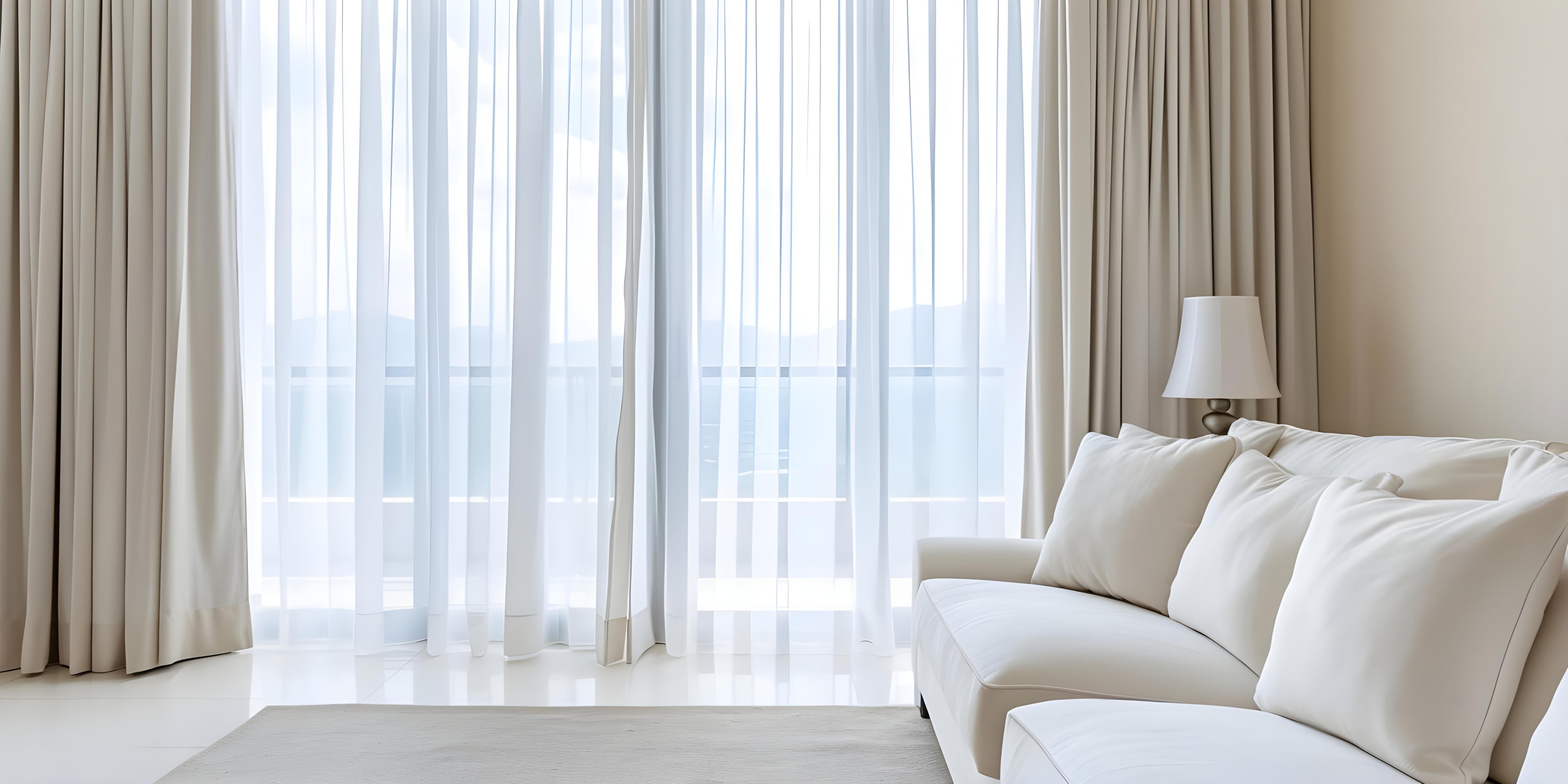
Combining curtains and drapes can create a dynamic window treatment that offers both style and functionality. Layering them allows for versatile light control and aesthetic options.
-
Layering: Combine for style and function.
-
Versatility: Adjust light and privacy levels.
How Do You Choose Between Curtains and Drapes?
Assessing Your Room's Purpose
Consider the purpose of the room when choosing between curtains and drapes. For casual, light-filled spaces, curtains are ideal. For formal, private areas, drapes are the better choice.
-
Casual Rooms: Opt for curtains.
-
Formal Rooms: Choose drapes.
Considering Your Design Aesthetic
Your design aesthetic plays a crucial role in the decision-making process. Curtains offer a wide range of styles, while drapes provide a more classic and timeless look.
-
Variety: Curtains for diverse styles.
-
Timeless: Drapes for classic elegance.
Evaluating Practical Needs
Evaluate your practical needs, such as light control, privacy, and insulation, when deciding between curtains and drapes. Drapes offer superior functionality in these areas.
-
Light Control: Drapes for maximum control.
-
Privacy: Drapes for enhanced privacy.
-
Insulation: Drapes for energy efficiency.
Maintenance and Care for Curtains vs Drapes

Cleaning Methods
Curtains and drapes require different cleaning methods. Curtains are often machine washable, while drapes may need professional cleaning due to their heavier fabrics and linings.
-
Curtains: Machine washable, easy care.
-
Drapes: Professional cleaning recommended.
Longevity and Durability
Drapes tend to be more durable than curtains due to their robust materials. However, with proper care, both can last for many years.
-
Curtains: Moderate durability.
-
Drapes: High durability, long-lasting.
Professional Cleaning Recommendations
For drapes, professional cleaning is recommended to maintain their appearance and functionality. Curtains can often be cleaned at home, but always check the care label for specific instructions.
-
Curtains: Home cleaning possible.
-
Drapes: Professional cleaning advised.
Cost Comparison: Curtains vs Drapes
Factors Affecting Price
Several factors affect the price of curtains and drapes, including fabric type, size, and customizations. Drapes are generally more expensive due to their materials and construction.
-
Fabric Type: Heavier fabrics cost more.
-
Size: Larger sizes increase cost.
-
Customizations: Add to overall price.
Average Cost Ranges
The cost of curtains and drapes varies widely. Curtains can range from $20 to $200 per panel, while drapes can range from $50 to $500 per panel, depending on the factors mentioned above.
-
Curtains: $20-$200 per panel.
-
Drapes: $50-$500 per panel.
Long-term Value Considerations
While drapes may have a higher upfront cost, their durability and functionality can offer better long-term value. Consider your budget and needs when making a decision.
-
Curtains: Lower initial cost.
-
Drapes: Better long-term investment.
Custom vs Ready-Made Options for Curtains and Drapes
Benefits of Custom Window Treatments
Custom window treatments offer a perfect fit and personalized style. They can be tailored to your specific needs and preferences, providing a unique look for your home.
-
Perfect Fit: Tailored to your windows.
-
Personalized Style: Unique to your taste.
When to Choose Ready-Made Options
Ready-made options are ideal for those on a budget or in need of a quick solution. Ready made curtains Dubai offer a wide range of styles and sizes, making them a convenient and stylish choice for any home.
-
Budget-Friendly: Cost-effective.
-
Convenient: Quick and easy to install.
Strala's Custom Design Process
Strala offers a custom design process that ensures your window treatments are tailored to your exact specifications. Their expert team guides you through fabric selection, measurements, and installation.
-
Expert Guidance: Professional assistance.
-
Tailored Solutions: Custom fit and style.
Trending Styles in Curtains and Drapes for Current Year
Popular Fabrics and Textures
This year, popular fabrics and textures for curtains and drapes include natural materials like linen and cotton, as well as luxurious options like velvet and silk. These fabrics add depth and interest to any room.
-
Natural Materials: Linen, cotton.
-
Luxurious Options: Velvet, silk.
Color Trends and Patterns
Current color trends for curtains and drapes feature earthy tones, soft pastels, and bold patterns. These colors and patterns can enhance the mood and style of your space.
-
Earthy Tones: Warm and inviting.
-
Bold Patterns: Eye-catching and dynamic.
Innovative Hardware and Accessories
Innovative hardware and accessories are trending, with options like sleek metal rods, decorative finials, and unique tiebacks. These elements add a modern touch to traditional window treatments.
-
Sleek Metal Rods: Modern and stylish.
-
Decorative Finials: Unique and elegant.
How to Measure for Curtains and Drapes
Window Measurement Techniques
Accurate window measurements are crucial for a perfect fit. Measure the width and height of your window, adding extra inches for fullness and length.
-
Width: Measure from frame to frame.
-
Height: Measure from top to desired length.
Determining Proper Length and Width
The proper length and width of curtains and drapes depend on your desired look. For a traditional look, allow them to just touch the floor. For a more dramatic effect, let them puddle slightly.
-
Traditional Look: Just touching the floor.
-
Dramatic Effect: Slight puddling.
Accounting for Hardware and Hanging Styles
Consider the type of hardware and hanging style when measuring for curtains and drapes. This ensures a seamless fit and appearance.
-
Hardware Type: Rods, rings, hooks.
-
Hanging Style: Rod pocket, grommet, pleated.
Conclusion
Choosing between curtains and drapes ultimately comes down to your space, lifestyle, and design goals. Curtains offer lightness, versatility, and casual style, making them ideal for bright, relaxed environments. Drapes, with their heavier fabrics and structured appearance, provide excellent insulation, privacy, and a luxurious touch that suits more formal rooms. By considering fabric, functionality, and room purpose, you can select the perfect window treatment to elevate your interior decor. Whether you prefer the softness of curtains or the elegance of drapes, both options help create a comfortable and stylish home environment.
FAQs
Are drapes more expensive than curtains?
Drapes are typically more expensive than curtains due to their heavier fabric, lining, and formal appearance. The cost reflects the quality and functionality they provide, making them a worthwhile investment for formal spaces.
Do drapes block more light than curtains?
Drapes generally block more light than curtains because of their thicker material and often blackout lining. This makes them ideal for bedrooms and other areas where light control is essential.
Can you use curtains and drapes together?
Yes, you can layer curtains and drapes for a more dynamic window treatment. Combining them allows for versatile light control and aesthetic options, enhancing the overall look of your space.
Are drapes or curtains better for insulation?
Drapes typically provide better insulation due to their heavier fabric and often thermal lining.