How Dubai's Extreme Sunlight Affects Curtain Fabrics Over Time: Causes, Impacts, and Prevention Tips

Introduction
Picture this: You've just moved into a stunning Dubai apartment with floor-to-ceiling windows showcasing breathtaking city views. You invest in beautiful curtains to complement your décor, only to notice them looking washed out and worn within months. Sound familiar? You're not alone.
Dubai's relentless sunshine is more than just a tourist attraction—it's a formidable force that can wreak havoc on your home's interior fabrics. With a UV index that regularly soars above 11 year-round, coupled with scorching temperatures exceeding 40°C and minimal cloud cover in this arid desert climate, the UAE presents one of the harshest environments for textiles worldwide.
For residents, expats, and homeowners in Dubai, understanding how extreme sunlight accelerates curtain fabric degradation is essential for making smart purchasing decisions. The reality is stark: UV radiation, intense heat, and unique environmental factors combine to damage your window treatments far faster than in temperate climates. However, armed with the right knowledge about fabric selection and protective strategies, you can significantly extend the life of your curtains while maintaining their beauty and functionality.
Understanding Dubai's Climate and Its Impact on Home Interiors
Dubai's climate stands apart from most global cities, creating unique challenges for interior design and fabric preservation. The emirate experiences intense solar radiation throughout the year, with the sun's rays penetrating through windows at extreme angles and intensities that few other locations endure.
The numbers tell a compelling story. The UAE receives some of the world's strongest and most sustained sun exposure, with UV radiation levels that remain dangerously high even during winter months. While temperate regions might see UV indices of 3-7 during peak summer, Dubai maintains indices of 10-12+ for most of the year. This constant bombardment means photodegradation—the breakdown of materials due to light exposure—occurs at an accelerated pace.
What makes this particularly challenging is the combination of factors at play. The dry desert heat intensifies UV damage, while the lack of cloud cover means almost no natural protection. Even on days when coastal humidity rises, the atmospheric conditions don't shield fabrics from harmful rays. Instead, moisture can interact with UV radiation to create additional chemical reactions that further degrade textiles.
For homeowners, this translates to a significant concern. Fabrics that might last five to seven years in London or New York can deteriorate in half that time—or less—when exposed to Dubai's unforgiving climate. High-rise apartments with expansive south or west-facing windows face the most severe exposure, though no orientation is entirely safe from the sun's damaging effects.
How Sunlight Causes Fabric Damage?
Understanding the science behind sun damage helps explain why prevention is so critical. The process isn't simply about heat—it's a complex chemical breakdown that occurs at the molecular level.
UV Radiation and Chemical Breakdown
Ultraviolet rays are the primary culprit in fabric degradation. When UV light strikes curtain materials, it breaks down the chemical bonds holding dye molecules together. This photochemical reaction causes the vibrant colors you loved when you first hung your curtains to gradually fade, yellow, or bleach out entirely. The process is irreversible—once those molecular bonds are broken, the color cannot be restored.
Beyond color loss, UV radiation attacks the fabric fibers themselves. These rays penetrate deep into the material's structure, weakening the polymer chains that give textiles their strength and flexibility. Over time, this leads to brittleness, reduced tensile strength, and eventual fiber breakdown. A curtain that once had a soft, supple drape becomes stiff and prone to tearing.
The damage intensifies through chemical reactions with environmental factors. UV radiation catalyzes oxidation reactions, where oxygen molecules interact with fabric fibers to create bleaching compounds similar to hydrogen peroxide. In Dubai's atmosphere, where dust particles and occasional humidity are present, these reactions can accelerate even further.
Heat Amplification
Temperature plays a supporting but crucial role. Fabrics don't just reflect heat—they absorb it. Synthetic materials, particularly darker colors, can retain significant thermal energy when exposed to direct sunlight. This heat stress weakens fibers and accelerates chemical degradation processes. In a Dubai apartment where window glass can magnify solar radiation, temperatures at the curtain surface can climb well beyond ambient room temperature.
Natural vs. Synthetic Fiber Response
Different fabric types respond distinctly to sun exposure. Natural fibers like cotton, linen, and silk are particularly vulnerable. Cotton tends to yellow and weaken relatively quickly, while silk—despite its luxurious appearance—degrades fastest of all common curtain materials due to its protein-based structure. Linen shows better resistance than cotton but still fades noticeably under sustained exposure.
Synthetic fibers such as polyester, acrylic, and nylon demonstrate superior resilience. Their manufactured molecular structures resist UV breakdown more effectively than natural materials. However, "more resistant" doesn't mean "immune"—even high-quality polyester will eventually show signs of fading and weakening in Dubai's extreme conditions without proper protection.
Visible Effects on Curtain Fabrics Over Time
The degradation timeline in Dubai can shock newcomers accustomed to milder climates. Understanding what to expect helps you identify problems early and take corrective action.
Short-Term Changes (Weeks to Months)
Initial signs of sun damage appear surprisingly quickly. Within the first few weeks of exposure, you might notice subtle color shifts, particularly in light-colored fabrics that begin developing a yellowish tinge. Deep, saturated colors start losing their vibrancy, appearing slightly washed out or dusty.
By the three to six-month mark, the effects become undeniable. The curtain areas receiving direct sunlight display obvious fading compared to sections that remain shaded. You'll see stark color differences between the window-facing side and the room-facing side of the same curtain panel. Patterns that were once crisp become muted, and the fabric may feel slightly different to the touch—less supple, with a hint of roughness developing.
Long-Term Deterioration (Months to Years)
After six months to a year of continuous exposure, structural damage becomes apparent. The fabric develops a brittle quality, losing its original drape and movement. When you handle the curtains, you might hear a slight crackling sound or notice the material doesn't flow smoothly anymore.
Within two to three years—sometimes sooner for vulnerable materials—the fabric reaches a critical degradation point. Tearing occurs easily, especially along fold lines and at stress points like grommets or rod pockets. The material may literally disintegrate in patches, particularly along the top sections that receive the most concentrated exposure. Light can penetrate through thinned areas, and the fabric no longer provides adequate privacy or light control.
In Dubai specifically, exposure can reduce expected fabric lifespan by 50-70% compared to temperate climates. Curtains rated for seven years in moderate conditions might need replacement in just two to three years when subjected to the emirate's intense sunlight without protective measures.
Factors Influencing the Rate of Damage
Not all curtains deteriorate at the same pace. Several variables determine how quickly sun damage accumulates in your window treatments.
Fabric Composition
Material choice is paramount. Silk and lightweight cotton show damage fastest, often within months. Medium-weight cotton and linen fare somewhat better but still degrade noticeably within a year. Polyester and acrylic demonstrate the best inherent resistance, potentially lasting three to five years with moderate exposure. Blended fabrics perform according to their dominant fiber content.
Color and Dye Quality
Darker colors absorb more solar radiation and heat, intensifying degradation. Deep reds, navy blues, and blacks typically fade more dramatically than lighter shades. However, white and cream fabrics face yellowing issues unique to pale textiles. Mid-tone colors—soft grays, beiges, and muted earth tones—often show damage less conspicuously.
Dye quality matters tremendously. Solution-dyed fabrics, where color is incorporated during fiber production rather than applied afterward, resist fading far better than piece-dyed or printed materials.
Window Orientation and Exposure Duration
South-facing windows in the Northern Hemisphere receive the most intense, prolonged sun exposure—this is especially problematic in Dubai where the sun's angle remains high and strong throughout the year. West-facing windows catch intense afternoon heat, while east-facing windows experience morning sun. North-facing windows receive the least direct exposure but aren't entirely safe.
The number of hours your curtains receive direct sunlight daily dramatically affects their lifespan. Curtains exposed eight hours daily will degrade much faster than those receiving two hours of filtered light.
Environmental Stressors
Dubai's unique environmental factors compound UV damage. Airborne dust and sand particles can abrade fabric surfaces, creating micro-scratches that accelerate degradation. Urban pollution in busy districts adds chemical stressors. The combination of dry heat with occasional high humidity creates cycles of expansion and contraction that stress fabric fibers. Even indoor air conditioning, while providing comfort, can dry out natural fibers and make them more brittle.
Best Fabrics and Materials for Dubai's Sunny Conditions
Choosing the right curtain materials transforms from a design decision to a strategic investment when living in Dubai's challenging climate.
Top Recommended Materials
Solution-Dyed Acrylic Fabrics: These represent the gold standard for sun resistance. Brands like Sunbrella use advanced manufacturing processes where pigment is added during fiber production, creating color that extends throughout the material rather than sitting on the surface. This provides exceptional fade resistance with UPF (Ultraviolet Protection Factor) ratings often exceeding 30+. These fabrics maintain their appearance for years even under harsh exposure.
Pros: Superior UV resistance, excellent color retention, good durability, relatively easy maintenance. Cons: Higher initial cost, slightly limited design options compared to traditional fabrics, can feel less luxurious than natural fibers.
High-Quality Polyester Blends: Modern polyester curtains, especially those with UV-inhibitor treatments, offer an excellent balance of performance and affordability. Look for fade-resistant fabrics specifically marketed as "outdoor-rated" or "UV-resistant" even for indoor use—they're engineered for exactly the conditions you face in Dubai.
Pros: Cost-effective, wide variety of styles and colors, good fade resistance, easy care. Cons: Can lack the texture and feel of natural fibers, may not drape as elegantly as silk or linen.
Lined Curtain Systems: Any fabric performs better when protected by a liner. Thermal or blackout linings serve double duty—they shield the decorative face fabric from direct UV exposure while improving insulation. A beautiful but delicate fabric can last years longer when protected by a robust liner.
Pros: Protects delicate face fabrics, improves energy efficiency, enhances privacy and light control. Cons: Adds weight and bulk, increases cost, may require professional installation.
Practical Selection Tips
For Dubai homes, prioritize light to medium colors that reflect rather than absorb heat. Pearl, soft sand, light gray, and pastel tones perform best in the long term. If you love bold, dark colors, reserve them for rooms with minimal sun exposure or commit to treating them as shorter-term design elements you'll refresh more frequently.
Avoid pure cotton, linen, or silk curtains for high-exposure windows unless they feature UV-protective treatments or heavy linings. If you're drawn to natural fibers for their eco-friendly qualities and aesthetic appeal, ask suppliers about specially treated versions designed for outdoor or high-UV environments.
Many UAE fabric suppliers now stock materials specifically rated for the region's climate. Don't hesitate to request technical specifications including UPF ratings, colorfastness grades, and expected lifespan under high-UV conditions.
Prevention Strategies and Maintenance Tips
Even with optimal fabric choices, implementing protective strategies dramatically extends curtain longevity and maintains their appearance.
Window Protection Measures
Installing UV-blocking window films creates an invisible shield that filters harmful rays before they reach your curtains. Quality films can block up to 99% of UV radiation while still allowing visible light transmission. This investment protects not just curtains but all interior furnishings, flooring, and artwork.
Window tinting offers similar benefits with the added advantage of heat reduction, potentially lowering air conditioning costs. In Dubai's climate, the energy savings from tinting can offset installation costs within a few years while providing fabric protection as a bonus benefit.
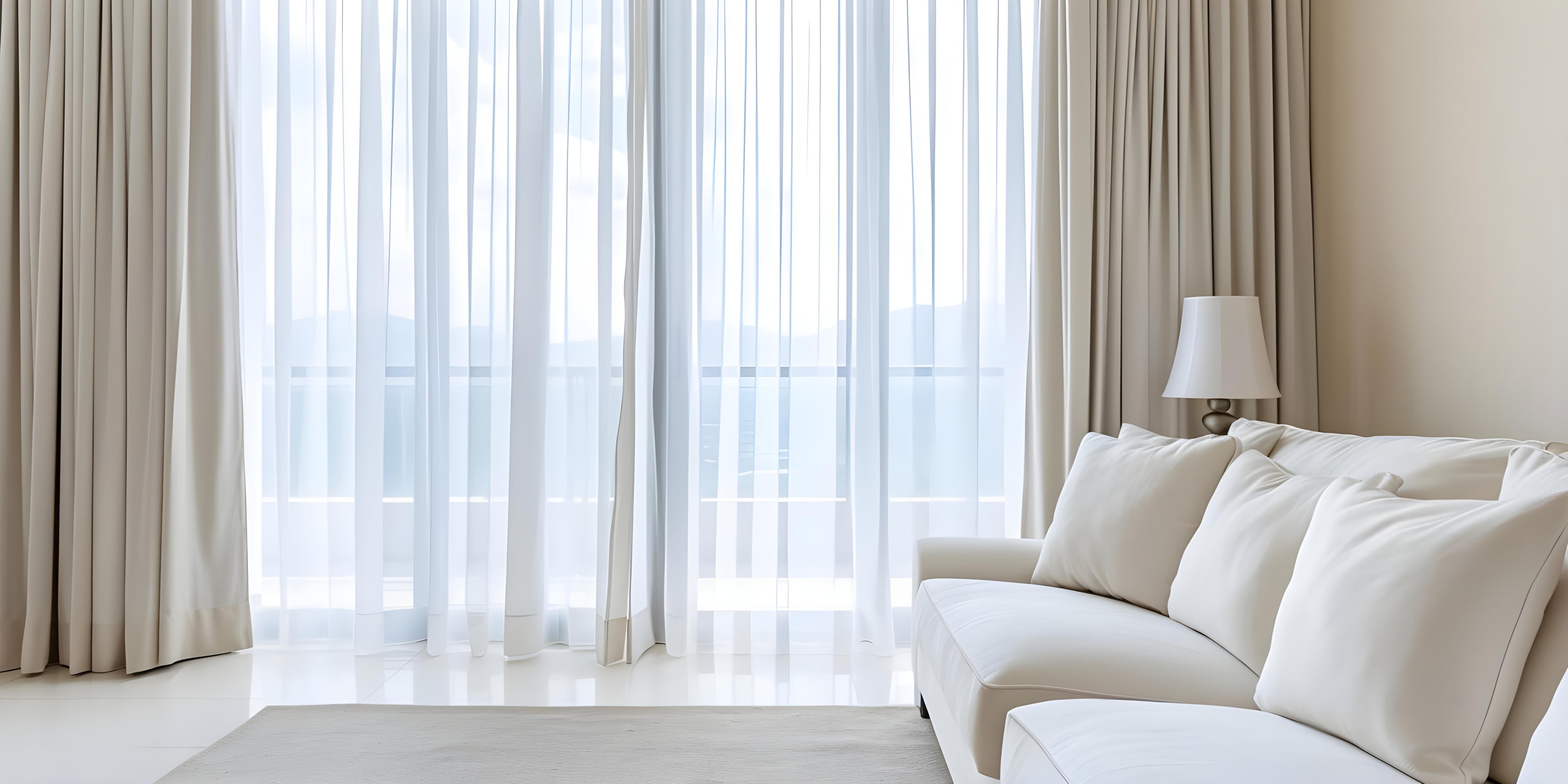
For a layered approach, combine sheer under-curtains with heavier outer panels. The sheers diffuse and filter sunlight during the day, taking the brunt of UV exposure while protecting the decorative outer curtains. This allows you to enjoy natural light without sacrificing your main window treatments.
Smart Usage Habits
Rotate your curtains every few months if possible, flipping or switching panels so different areas receive direct exposure. This distributes wear more evenly and can extend overall lifespan. For homes with multiple similar windows, rotating curtains between rooms balances sun exposure across your collection.
During peak sunlight hours (typically 11 AM to 4 PM in Dubai), keep curtains closed on the most exposed windows. This simple habit significantly reduces cumulative UV exposure. Consider using automated motorized systems that close curtains during peak hours and open them during gentler morning or evening light.
Regular Maintenance
Dust and debris accelerate fabric degradation by abrading surfaces and trapping heat. Vacuum curtains monthly using a soft brush attachment, working from top to bottom. For machine-washable fabrics, follow manufacturer instructions carefully—use cold water, gentle cycles, and avoid harsh detergents that can strip protective treatments.
Professional cleaning services familiar with delicate fabrics can refresh curtains without causing damage. In Dubai, several specialized cleaning companies understand the region's specific fabric challenges and can apply UV-protective treatments during the cleaning process.
Top 7 Tips for Protecting Curtains in Dubai
- Choose UV-resistant fabrics with UPF ratings of 30+ for primary sun-exposed windows
- Install window films or tints to block up to 99% of harmful UV radiation
- Use layered curtain systems combining sheers with lined outer panels
- Close curtains during peak sunlight hours (11 AM - 4 PM) to minimize exposure, or invest in smart home compatible automation
- Rotate curtain panels regularly to distribute sun exposure evenly
- Clean curtains monthly to remove dust that accelerates degradation
- Apply UV-protective fabric sprays annually to add an extra layer of defense
Long-Term Investments
UV-protective fabric sprays and treatments provide an additional defense layer. These products contain compounds that absorb or reflect UV radiation, reducing penetration into fabric fibers. Reapplication every 6-12 months maintains effectiveness. While not a substitute for inherently resistant materials, they can extend the life of existing curtains or add extra protection to vulnerable fabrics.
Professional consultation with UAE-based interior designers or fabric specialists can be worthwhile for luxury properties or when making significant investments in custom window treatments. These experts understand local conditions and can recommend solutions tailored to your specific home orientation, window size, and aesthetic preferences.
Case Studies and Real-World Examples
Understanding theoretical damage is one thing—seeing real-world outcomes provides valuable perspective.
The High-Rise Dilemma
Consider a typical Dubai Marina apartment owner who installed beautiful deep-burgundy cotton curtains on south-facing floor-to-ceiling windows. Within six months, the rich color had faded to a dull rust tone, with the window-side fabric notably lighter than the room-side. By month ten, the fabric began tearing along the curtain rod pockets. Total lifespan: less than one year, despite a significant investment.
In contrast, a neighbor in the same building chose solution-dyed acrylic curtains in a medium gray tone with blackout linings. After three years, these curtains showed minimal fading and retained their structural integrity. The initial cost was approximately 40% higher, but the per-year cost proved substantially lower given the extended lifespan. Proper light gap management also helped maximize the protective benefits.
Desert Villa Experience
A villa owner in Arabian Ranches initially decorated with silk curtains throughout the home, attracted by their luxurious drape and sheen. West-facing bedroom curtains became noticeably damaged within four months—fabric yellowing, loss of sheen, and weakening along sun-exposed sections. East-facing living room curtains showed similar damage within eight months.
After replacement with polyester blend curtains featuring UV-inhibitor treatments and thermal linings, the homeowner reported these lasted over five years with only minimal fading. The addition of exterior awnings on west-facing windows provided supplementary protection, further extending curtain life while reducing indoor temperatures.
Commercial Property Success
A Dubai hotel chain managing properties across the emirate faced escalating curtain replacement costs due to sun damage in guest rooms. After consulting with textile specialists, they switched to commercial-grade, solution-dyed fabrics with built-in UV resistance. The change reduced replacement frequency from every 18 months to every 4-5 years, generating substantial cost savings despite higher per-unit fabric costs. Guest satisfaction improved as rooms consistently maintained fresh, well-maintained appearances.
These examples illustrate a consistent pattern: while UV-resistant fabrics and protective measures require greater upfront investment, they deliver superior long-term value through extended lifespan and maintained aesthetics.
Conclusion
Dubai's extraordinary sunshine defines the city's appeal—year-round warmth, brilliant skies, and an enviable outdoor lifestyle. However, this same intense solar radiation poses significant challenges for maintaining beautiful, functional curtains in your home. The combination of extreme UV indices, sustained high temperatures, and unique environmental factors accelerates fabric degradation at rates that can shock residents accustomed to milder climates.
The good news? You're not powerless against the sun's effects. By understanding how UV radiation breaks down fabric dyes and fibers, recognizing which materials offer superior resistance, and implementing strategic protective measures, you can dramatically extend your curtains' lifespan while preserving their appearance. The investment in UV-resistant fabrics, protective window treatments, and proper maintenance pays dividends through reduced replacement costs, sustained interior aesthetics, and even improved energy efficiency as quality curtains help moderate indoor temperatures.
Take time to assess your home's sun exposure patterns. Note which windows receive the most intense, prolonged sunlight and prioritize those areas for your best protective strategies. When shopping for new curtains, don't make decisions based solely on appearance—request UV resistance ratings, ask about dye quality, and seek materials specifically engineered for high-exposure environments.
For residents throughout the UAE—whether you're in a Dubai high-rise, an Abu Dhabi villa, or a Sharjah townhouse—local suppliers and interior design professionals increasingly understand the region's specific challenges. Don't hesitate to consult with experts who can assess your particular situation and recommend customized solutions balancing aesthetics, functionality, and durability.
Your curtains do more than frame views and control light—they're significant investments in your home's comfort and appearance. Protect them wisely, and they'll serve you beautifully for years to come, even under the desert sun's relentless glare.
Frequently Asked Questions
How long do curtains typically last in Dubai's sun without protection?
Without UV protection, curtain lifespan varies by material but is significantly shorter than in temperate climates. Natural fibers like cotton and silk may show noticeable fading and weakening within 6-12 months, with structural failure occurring within 1-2 years. Standard polyester might last 2-3 years. With proper protection (UV-resistant fabrics, window films, linings), curtains can last 5-7 years or longer—similar to expectations in milder regions.
What's the best curtain color for preventing sun damage in Dubai?
Light to medium tones perform best. Soft whites, creams, grays, beiges, and pastels reflect heat rather than absorbing it, reducing thermal stress on fabrics. While darker colors can fade more dramatically, quality matters more than shade—a well-made, UV-resistant dark fabric will outlast a poor-quality light fabric. Mid-tone colors also disguise gradual fading better than very light or very dark shades.
Are blackout curtains more resistant to sun damage?
Blackout curtains aren't inherently more UV-resistant, but their design offers advantages. The backing that blocks light also shields the face fabric from direct UV exposure, extending its life. Additionally, blackout curtains reduce heat transfer into rooms, potentially lowering fabric surface temperatures. For best results, choose blackout curtains made from UV-resistant materials with quality thermal linings. If you're comparing options, you might also want to explore blackout curtains vs blinds to see which solution works best for your space.
Can UV window film really protect my curtains?
Yes, significantly. Quality UV-blocking window films can filter up to 99% of harmful UV radiation before it reaches your curtains, dramatically slowing degradation. Films also reduce heat transmission, providing the dual benefit of protecting fabrics while lowering cooling costs. This is one of the most effective single interventions for curtain protection in Dubai's climate. Professional installation ensures optimal performance.
How often should I replace curtains in Dubai despite taking precautions?
With proper fabric selection and protective measures, well-maintained curtains in Dubai can last 5-7 years, comparable to expectations in temperate climates. However, heavily exposed windows may require replacement every 3-5 years even with precautions. Regular inspection helps—replace curtains when they show significant fading, structural weakness, or no longer perform their functional role adequately.
What's the best way to clean sun-damaged curtains?
If curtains show early sun damage, gentle cleaning can sometimes improve appearance temporarily, but won't reverse chemical degradation. Use cold water, mild detergent, and delicate cycles for washable fabrics. Professional dry cleaning works better for delicate materials. However, severely weakened fabrics may not survive washing—test a small section first. Prevention is far more effective than attempting to reverse sun damage.
Are there eco-friendly curtain options that resist Dubai's sun?
Yes, though options are somewhat limited. Look for recycled polyester fabrics with UV-resistant treatments—these combine environmental benefits with durability. Some companies produce solution-dyed fabrics using sustainable processes. Organic cotton with UV-protective treatments offers another option, though still less durable than synthetics. Bamboo-blend fabrics show promise, but verify UV resistance ratings before purchasing for high-exposure windows.